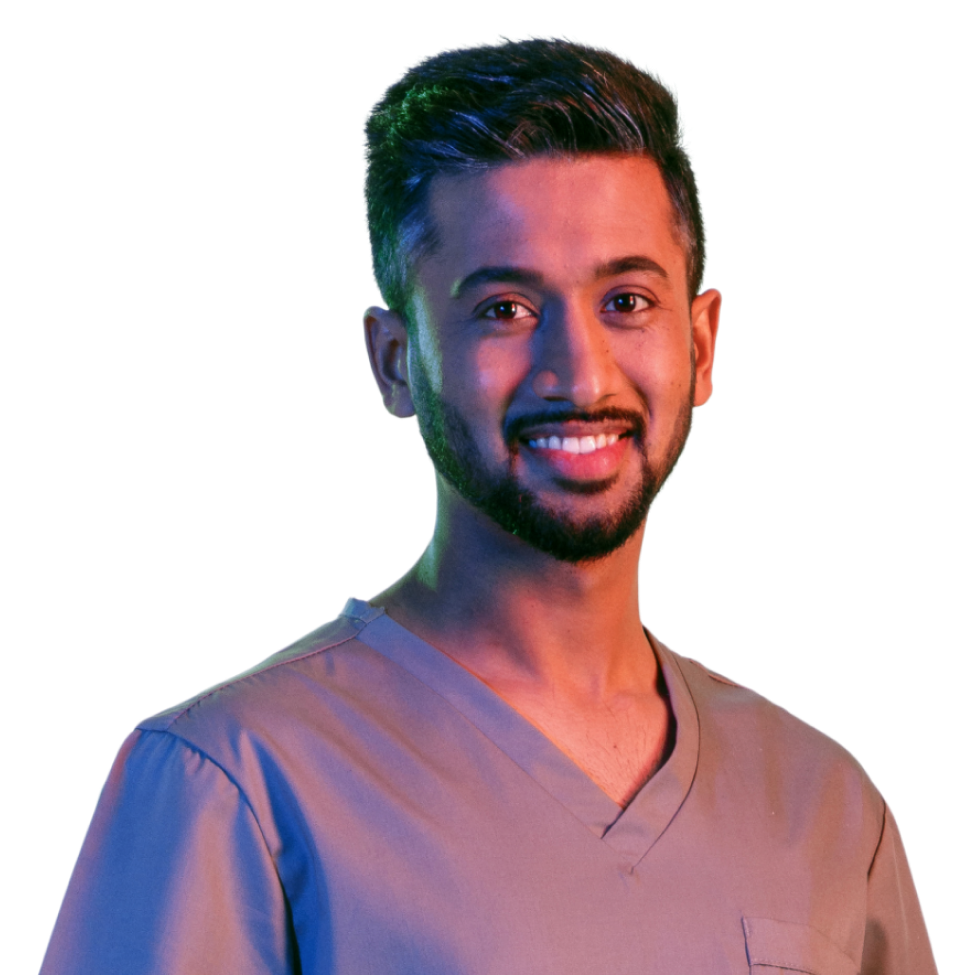
An interview with the Executive Chair of ADG, Neil Carmichael, discussing his predictions on the future of dentistry, based on technological advancements and demographic changes.
A Look At The Future Of Dentistry, With ADG’s Neil Carmichael
The world of dentistry is constantly evolving, which can feel both exciting and daunting. Advances in artificial intelligence, shifting patient demographics, workforce evolution, and a growing push for sustainable practices are reshaping dentistry as we know it, and it is vital that your practice is ready for what’s to come.
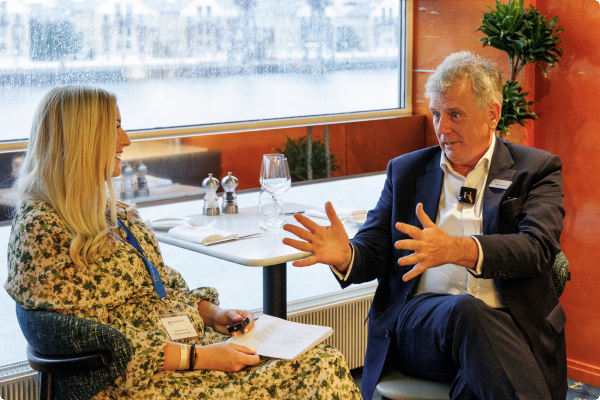
Neil Carmichael, Executive Chair of the Association of Dental Groups (ADG), spoke to us about his predictions on what the dental industry will look like in the near future. A former member of parliament, chair of the Education Select Committee, and chief executive of the UCEC, Neil is very familiar with the training and education sector, and has been applying his knowledge to the world of dentistry since 2019.
What do you think dentistry will look like 10 years from now?
Neil Carmichael: At the moment, we don’t have a workforce capable of delivering all the dentistry that's required by the population. If we are successful in our campaign, we will have enough dentists, therapists, hygienists, and dental nurses, and they will all know how valued they are. One of the great things about dentistry are the people within it, and we need to celebrate their excellence. I would like to see that happen within 10 years, in fact, much earlier if possible.
Secondly, I think that we're going to see a huge amount of artificial intelligence coupled to data use, and that it’s going to unfold in a lot of interesting ways to improve the experience of the patient, and to make it easier for the professionals to deliver care. We have got to address some of the issues about morality which impact artificial intelligence, but within 10 years, I expect to see AI in dentistry as the norm.
And finally, within 10 years we will see the impact of significant demographic changes. There will be many more elderly people and fewer younger people, and that gives us two things to consider: where is the workforce coming from? And how are we going to deal with the large number of elderly people needing dental care and attention? So within 10 years, we need to work out a plan where anyone of any age, particularly elderly people, are getting the treatment that they need.
ADG have been speaking with the government and stakeholders to address these issues, and create and develop policies that can influence the future of dentistry.
One of the great things about dentistry are the people within it, and we need to celebrate their excellence.

One of the great things about dentistry are the people within it, and we need to celebrate their excellence.
How can dentists make sure they are keeping up with emerging industry trends?
NC: My first piece of advice is to join the ADG. Come to our meetings and learn about what we're doing, meet our stakeholders, and engage with other professionals. Read and participate in formal conferences, because this is a profession with a huge amount of information available, underpinned by high standards of academic study. The key is making sure you find the right information and apply it.
How are advancements in technology improving patient experience?
NC: The key to a good patient experience is communication; more importantly, communicating the right information, so we've got to ensure that we handle patient information properly. Advancements in technology can help with that.
We need the right degree of transparency but equally the right degree of privacy. It’s important that patient records are not buried in the ground and only gotten out as an emergency. Patients should have their own comprehensive records, and health professionals across the board should be able to access them, rather than staying siloed.
In what ways can AI help dental practitioners streamline their practice workflows?
NC: Artificial intelligence is here to help us do what we want it to do. We need to stop worrying about technical advancements reducing employment, and instead focus on how they can create new opportunities. If you think of a steam engine, which might have threatened the horse and carriage, but in turn created all sorts of industries, including tourism. The same thing applies to our current situation: we need to see artificial intelligence as our friend, not our enemy.
However, I do think it's important to have a legislative framework so that artificial intelligence is properly governed under the rule of law. As a former parliamentarian, I would expect to see this built on for existing platforms, but I think it needs to be made much better. We need to take the fear away from artificial intelligence and start understanding it, and using it to help patients make informed choices.
In economics, the theory of the Perfect Competition states that if you have all the right information, then the market will know exactly what it's supposed to do, and the consumers and producers will be at one. We have no such thing as a perfect market, but artificial intelligence will start to take us in that direction.
Do you anticipate that a growing number of dental practices will begin focusing more heavily on eco-friendly, sustainable solutions within dentistry?
NC: All dental groups should be operating in a sustainable fashion, because resilience is about protecting the future. In general, people understand that protecting the environment matters, and I don’t think that mindset is something we should give up on. In fact, I think we need to increase our emphasis on this, and make sure we in the dental industry are using the right products to support this initiative.
With advancements in technology, and changes in patient attitudes towards sustainability, I anticipate dental practices will continue to make further improvements when it comes to their environmental impact.
Have you noticed any global trends in dentistry that are setting the pace for the future?
NC: One trend is the demographic issue that I've already spoken about, which we definitely need to consider when planning for the future.
In terms of what’s happening in dentistry, I'm intrigued to see advancements in prevention – for example, in America, saliva testing is starting to become more commonplace. We need to explore how looking into someone's mouth can not only detect what's wrong, but find out what needs to be done to treat them.
One of the things we need going forward is a workforce which is big enough to deliver all the dentistry we need in the UK, and that requires us to hire and train people from abroad, and to ensure we are making the best use of our whole team.
We need to challenge patients’ current expectations of what a dental appointment looks like: for example, instead of turning up to the practice and seeing a dentist right away, they might first want see a dental nurse instead, who then triages them towards a dentist, or a therapist, or a hygienist, which is an obvious extension of teamwork that I think we should be exploring in more detail.