An informational article which explores the biomimetic approach in dentistry, highlighting its benefits and ways to incorporate it into your dental practice.
Biomimetic Dentistry: The Tooth-Saving Trend
You may have seen the term ‘biomimetic dentistry’ floating around on dental forums, but how much do you really know about it? And more importantly, why should you care?
The Basics
Biomimetic in its most simple term means to mimic (mimesis) life (bio). Offering an advanced approach to restorative dental care, biomimetic dentistry aims to imitate the natural structure, functions, and biomechanics of teeth, with the purpose of preserving as much of the natural tooth as possible – unlike some traditional methods which can involve removing healthy tooth structure to place crowns or fillings, for example.
The Benefits
By prioritising techniques that retain tooth enamel and dentine, biomimetic dentistry provides a less invasive, lower-risk treatment for patients, as well as more aesthetic final restorations.
- Minimally Invasive: Avoiding excessive drilling and full crown preparations, and instead focusing on smaller restorations that preserve more of the natural tooth, the biomimetic approach is less invasive and less painful for the patient.
- Long-Lasting Results: Stronger restorations mean longer-lasting results. By layering materials that mimic natural tooth biomechanics, stress which can lead to cracks or debonding is reduced. Long term, this lowers the risk of fracture, and therefore the need for root canals or extractions.
- Improved Biocompatibility And Aesthetics: With emphasis on materials that closely replicate the natural colour and translucency of teeth, the overall cosmetic results are beautifully lifelike. The use of resin-based or ceramic products offers high biocompatibility.
Biomimetic dentistry isn’t a new concept: in fact, it has been in development for several decades. So why is it now gaining traction?
More Than Just A Marketing Tool
Every new advancement in dentistry comes with critics. With many experienced dentists using the same tried and tested methods for years, it is understandable that they might be reluctant to incorporate a new approach into their practices.
But biomimetic dentistry isn’t an entirely new concept; holistic dentistry is thought to have emerged pre-1900s, and Minimally Invasive Dentistry (MID) began in the 1970s, both sharing similarities with biomimetic dentistry. As a result, the biomimetic approach is sometimes met with scepticism, due to the notion that it is simply recycling old ideas using a new ‘buzzword’ for marketing power.
But how justified are such doubts? Aside from the fact that there are notable differences between biomimetic dentistry and prior approaches, there are several key reasons that biomimetic dentistry is growing in popularity.
- Improved Materials: Advancements in dental bonding agents and composites now allow for restorations that behave more like natural tooth tissue.
- Growing Demand: Patients and practitioners in all areas of the medical industry are heavily focused on conservative treatments that are minimally invasive and support the patient’s long-term health.
- Clinical Research: Gaining traction in the 1990s, biomimetic dentistry is a decades-in-the-making approach that now has backing from long-term clinical research, supporting the claim that biomimetic techniques reduce complications and the need for retreatment.
Embracing The Movement
Are you ready to incorporate the biomimetic approach into your dental practice? Understanding the basics is the first step. Getting your patients on board is the second.
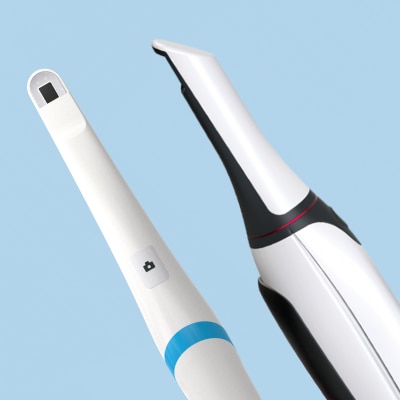
Using patient-friendly language to explain the core principles and benefits of biomimetic dentistry is a straightforward way to educate your patients, but you can take this even further by incorporating the use of intraoral imaging to demonstrate the differences between a traditional and more conservative approach.
Nervous patients may feel reassured by biomimetic dentistry’s less invasive approach which aims to deliver long-term results that may reduce future complications with the tooth, and therefore the need for additional appointments.

Picking Your Products
At Henry Schein, we supply a multitude of products that support the biomimetic approach. Focus on biocompatible, strong materials and precise instrumentation to ensure you are preserving as much of the natural tooth as possible, and that any restorations are lifelike and long-lasting.
Adhesive Systems
Delivering strong, durable bonding to dentine and enamel is essential for long-lasting results, and choosing the right adhesive system can allow you to replace lost tooth structure without weakening the remaining tooth.
Bioactive Materials
Bioactive products are well known for their gentle, biocompatible nature which causes less irritation for patients, while actively interacting with living tissues to deliver the desired biological responses, to promote healing and dentine regeneration.
Fibre-Reinforced Materials
Acting as internal splints to absorb and redistribute biting forces, fibre-reinforced materials can prevent fracture by mimicking the natural tooth structure, and reinforcing weak or vulnerable areas.
Matrix And Isolation Systems
Precise recreation of the natural tooth shape and structure ensures restorations mimic the original tooth, while the use of effective isolation materials keeps the environment free from contaminants and moisture for more effective bonding.
Precision Tools
Incorporating high-precision tools into your treatments can assist you in preserving healthy tooth structure, as well as ensuring restorations are strong and well-fitted. A highly magnified treatment area can ensure the precision and accuracy required for lasting results is achieved.
Preventive Products
As the saying goes, prevention is better than cure. By using high-quality preventive products, you can reduce the need for more invasive future treatments for your patient, to retain as much of the natural tooth as possible with minimal intervention.
Remineralisation Products
Proper remineralisation of dentine is vital for improving bonding stability and controlling primary and secondary caries. Choosing biomimetic remineralisation products can support natural healing for improved outcomes.
Resin Luting Cements
For indirect restorations, choosing products that allow you to create restorations that mimic the tooth’s mechanical behaviour, while properly transferring forces and protecting the pulp, can help to ensure secure restorations with high bond strength.
Restorative Materials
Opting for low-shrinkage composites that mimic the tooth’s natural aesthetics while remaining strong and reducing stress can help you to deliver long-term, beautiful smiles for your patients, that are more resistant to fractures and wear.
Whitening
While some traditional whitening methods can dehydrate or weaken enamel, choosing biomimetic whitening solutions can support enamel protection and reinforcement, while minimising damage to teeth and providing highly aesthetic results.
;)
Shop our range of biomimetic products today, and discover the difference the biomimetic approach can make to your patients’ smiles.
What is biomimetic dentistry?


Biomimetic dentistry is an approach which focuses on preserving as much of the natural tooth as possible by imitating its natural structure, function, and biomechanics.
What are the benefits of the biomimetic approach in dentistry?
Biomimetic dentistry provides a less invasive, lower risk treatment for patients by focusing on smaller or fewer restorations that preserve the natural tooth. Results are usually highly aesthetic and long lasting due to the use of biocompatible products that deliver strong, lifelike results.
How can I incorporate the biomimetic approach into my dental practice?
Educate patients and staff on the benefits of biomimetic dentistry, and choose strong, biocompatible materials and precise instrumentation to ensure you are preserving as much of the natural tooth as possible.