


As a dentist, you understand the deep, two-way links between oral health and systemic conditions – how diabetes complicates gum disease, how inflammation in the mouth reflects inflammation in the body, how autoimmune conditions can manifest orally. But your patients likely don’t. And that gap in understanding is one of the most important opportunities you have to make a lasting impact.
Why This Conversation Matters
Patients generally don’t connect bleeding gums with heart health, or dry mouth with bigger issues. They might assume tooth loss is an inevitable part of aging, or think oral infections are isolated issues. When these misconceptions go unchallenged, patients are less likely to act, and more likely to miss the early warning signs of serious health issues.
Patients have regular check-ups with a dentist in a way that they probably don’t with a general practitioner. This means that more often than you may realise, you are the first – and possibly only – medical professional with the chance to flag early warning signs.

Making the Mouth-Body Connection Real for Patients
Communicating medical complexity in plain, digestible ways is a skill; and one worth developing1. Here are a few ways to help patients see the bigger picture.
- Educate through empathy, not alarm: Patients don’t need to be scared; they need to feel in control. Highlight what they can do – brushing habits, diet tweaks, check-ups – and make sure they understand that these changes aren’t just beneficial to oral health.
- Encourage reflection: Ask patients questions that expand their knowledge – and give them time to reflect and digest what you’re telling them.
- Follow-up materials: Provide educational materials that reinforce key messages, help patients remember what you have explained, and give them the chance to further their understanding at home.
- Focus on one clear takeaway: One message at a time. A single, focused piece of advice or education is more effective than a lecture.

A Preventive Mindset That Goes Beyond the Mouth
Communicating effectively with patients is a vital part of dentistry; if you aren’t achieving it, then you aren’t an effective practitioner2.
When patients recognise that oral health isn’t just about cavities or cleanings, but a window into their overall wellbeing, they’re more likely to listen, act, and take ownership of their health.
You don’t need to overhaul your consultations. One well-phrased sentence is all it takes to shift perspective. A patient who understands how problems in the mouth can reflect whole-body wellbeing will start thinking, and hopefully behaving, differently.
That’s when true prevention begins.

1 https://pmc.ncbi.nlm.nih.gov/articles/PMC11225999/
2 https://standards.gdc-uk.org/pages/principle2/principle2
Share



Enquire Now
Please fill out the form below. Our representatives will reach out to you.You May Also Like
)
Oral Health Awards 2026
The Association of Dental Education in Europe, the European Dental Students’ Association, and Henry Schein grant the 2026 Oral Health Professional Educators’ Awards.

)
Ultimate Endo Guide
Ensure your endodontic treatments are well rounded and reliable with our complete step-by-step guide of the endodontic workflow, created to help you achieve the best outcomes for your patients.
)
Mastering Molars
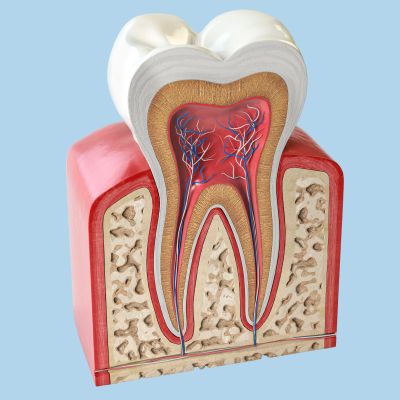
Explore why molar root canals are more complex, from curved canals and MB2 detection to irrigation, instrumentation, obturation, and restoration.
)
Reliable Curing From BA
Save time and streamline your restorative workflow with BA International’s BASE240S curing light, designed to deliver consistent curing with every use.
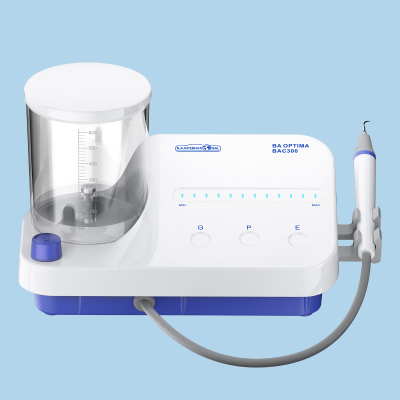)
Scaling Without Compromise
Discover the perfect balance of customisable control and automated intelligence without compromising treatment results, with BA International’s BAC300EL ultrasonic scaler.
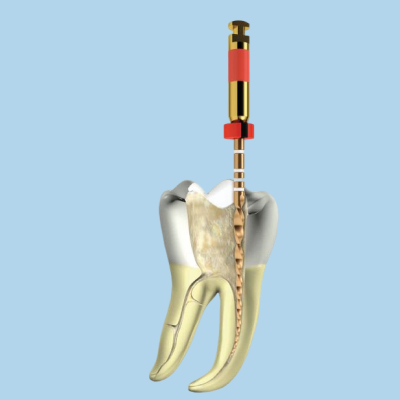)
The Evolution Of Endodontics
Discover how switching to a safer, speedier reciprocating file system could simplify and streamline your endodontic workflow.
)
Protect With Voco
Protect your patients’ ongoing oral health with minimally invasive solutions from Voco, featuring advanced formulations to safeguard their smiles.
)
Improve Coronal Seal
Ensure your endodontic workflow is sealed for success with Dentsply Sirona’s proven root to crown workflow solutions.
)
Tackling Tooth Wear
Protect your patients’ smiles by understanding the early signs of tooth wear, and how effective, long-term solutions from GC can help treatment and prevention.
)
Tackling Musculoskeletal Pain
Discover why so many dental professionals struggle with work-related musculoskeletal pain, and what you can do to address it.
)
Teledentistry
Discover how teledentistry can encourage more patients through your virtual door, with the help of cloud-based practice management software like Dentally.
)
Henry Schein CEO Announcement
Henry Schein announces Frederick M. Lowery, an industry veteran bringing more than 20 years of healthcare distribution experience and operational excellence, as Chief Executive Officer.